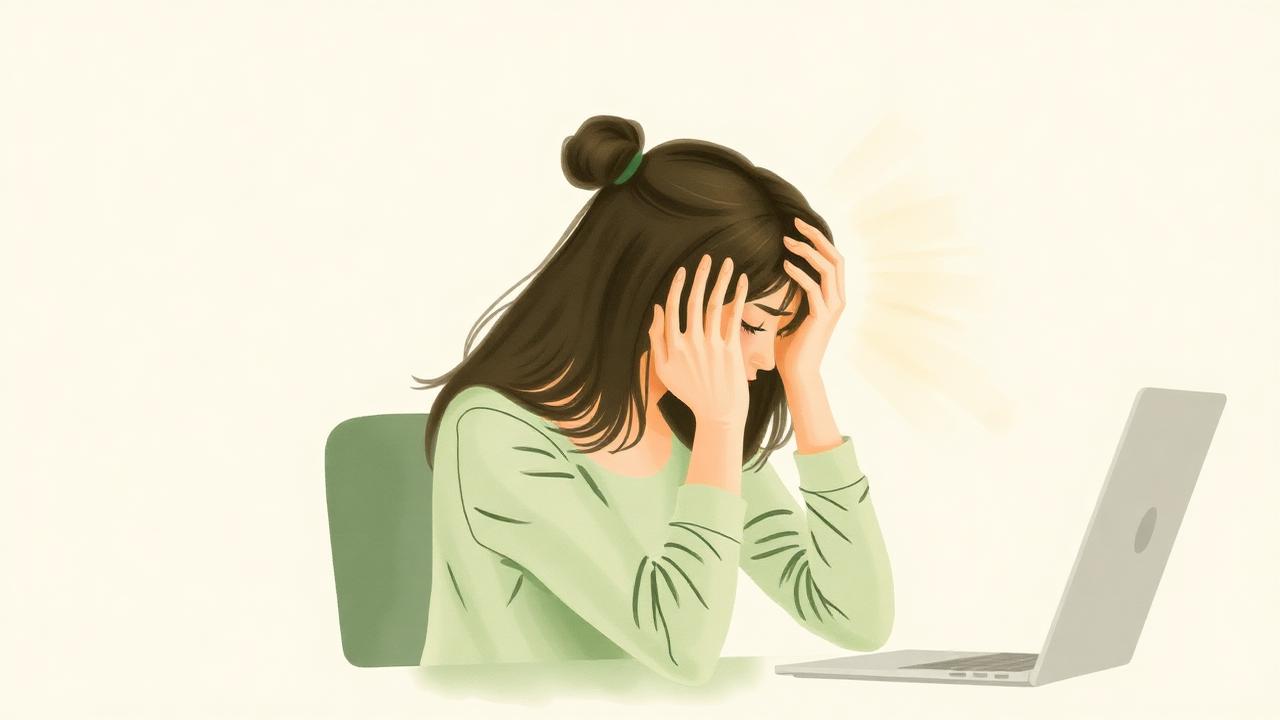
You're keeping it together—showing up to work, meeting deadlines, taking care of everyone around you. From the outside, you look like you have it all under control. But inside? You're running on fumes, and no amount of coffee or weekend rest seems to make a difference.
If this sounds familiar, you may be experiencing burnout. And beloved, you are not alone—and you are not failing. Burnout is your mind, body, and spirit telling you that something needs to shift.
Recognizing the Signs of Burnout
Burnout doesn't always announce itself loudly. It often builds quietly over time. Here are some common burnout symptoms to watch for:
Emotional Signs
- Feeling detached or emotionally numb
- Increased irritability or frustration over small things
- A persistent sense of dread, especially about responsibilities
- Loss of joy in things that once brought you life
Mental Signs
- Difficulty concentrating or making decisions
- Constant mental fog or forgetfulness
- Feeling overwhelmed by even simple tasks
- Racing thoughts at night that keep you from sleeping
Physical Signs
- Chronic fatigue that rest doesn't resolve
- Frequent headaches, muscle tension, or stomach issues
- Changes in appetite or sleep patterns
- Getting sick more often than usual
Why Does Burnout Happen?
Burnout isn't simply the result of working too hard. It's what happens when you push past your limits without adequate rest, support, or boundaries—over and over again. Many high-functioning individuals struggle with burnout because they've learned to override their body's signals.
You may have been taught that your worth is tied to your productivity. Perhaps you carry responsibilities that feel impossible to set down. Or maybe you've been so focused on caring for others that you've forgotten to care for yourself.
Whatever the cause, burnout is not a character flaw—it's a response to sustained stress without sufficient recovery. And it can be healed.
Practical Ways to Start Recovering
Recovery from burnout doesn't require a complete life overhaul overnight. It begins with small, intentional steps:
- Name what you're feeling. Acknowledging burnout is the first and most courageous step.
- Set one boundary this week. It could be leaving work on time, saying no to an extra commitment, or protecting your evening hours.
- Move your body gently. A short walk, stretching, or even standing outside for five minutes can help regulate your nervous system.
- Reconnect with something that brings you joy. Not productivity—joy. Reading, creating, praying, being still.
- Talk to someone you trust. Isolation deepens burnout. Let someone in.
"Come to me, all you who are weary and burdened, and I will give you rest." — Matthew 11:28
When to Seek Therapy
If you've been feeling overwhelmed for weeks or months, if the strategies that used to help no longer work, or if burnout is affecting your relationships, health, or faith—it may be time to seek professional support.
Stress management therapy can help you identify the root causes of your burnout, develop healthier patterns, and rebuild a life that feels sustainable. You don't have to figure this out alone.
As a licensed therapist offering stress management therapy in North Carolina and South Carolina, I work with individuals who are tired of just surviving and ready to start thriving. Through virtual sessions, I help clients across both states find clarity, set boundaries, and reconnect with the peace God intended for them.
If you're also navigating anxiety alongside burnout, or walking through a major life transition, I'd love to support you through that as well.
You've been strong for so long. Let someone be strong for you.